



Hoi An Local Food Guide: Iconic Dishes & Hidden Places to Eat
Hoi An possesses a rich culinary heritage, with a diverse range of dishes found throughout the ancient streets. The local food scene includes specialised recipes influenced by centuries of international trade. Visitors can explore these traditions at established restaurants or within smaller stalls situated in narrow alleys. Understanding the specific ingredients used in these dishes provides insight into the history of the region. Read this guide to discover the best places to enjoy a meal during your trip to Hoi An.
Top Iconic Main Dishes in Hoi An You Must Try
1. Cao lau
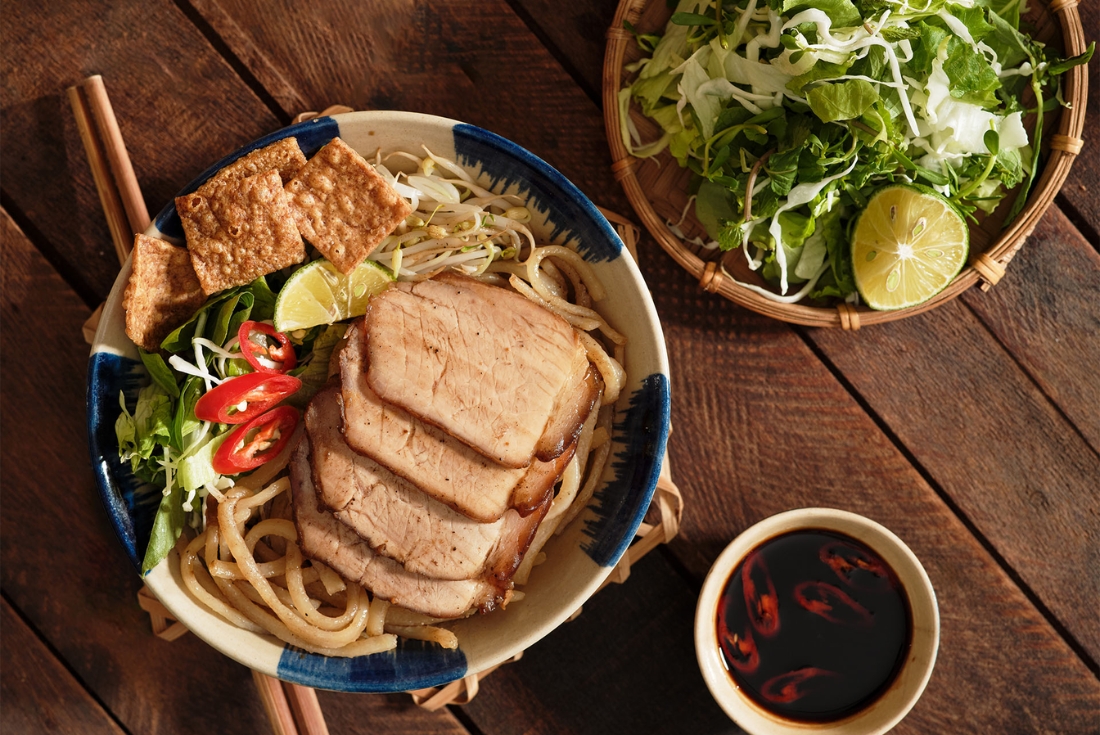
Cao Lau (Cao Lầu) is a signature noodle dish that reflects the multicultural history of Hoi An. It features thick, chewy rice noodles, thin slices of char siu pork, crisp greens, and crunchy rice crackers. Unlike many Vietnamese noodle dishes, Cao Lau is served with a concentrated sauce rather than a full bowl of broth. The preparation of the noodles is a specialised process involving specific local resources. The rice is soaked in a lye solution created by mixing water with ash from a specific type of tree found on the Cham Islands, located off the coast of Hoi An. This lye solution is then combined with water drawn from the ancient Ba Le well to give the noodles their distinct firm texture and yellow-grey colour. The noodles are steamed rather than boiled, a method that ensures they remain chewy.
Some recommended restaurants:
- Cao Lau Khong Gian Xanh: 687 Hai Ba Trung Street.
- Cao Lau Ba Dinh: 138 Tran Phu Street.
- Cao Lau Chu 2 Toan: 44 Phan Chu Trinh Street.
2. Hoi An chicken rice
Com Ga features rice cooked in chicken broth and turmeric to produce a yellow colour. It is typically served with shredded chicken, sliced onions, and fresh Vietnamese herbs, offering a balanced profile of savoury and herbal flavours.
Some recommended restaurants:
- Long Com Ga: 53/16 Phan Chu Trinh Street.
- Com Ga An Hien: 192/1 Ly Thuong Kiet Street, Son Phong Ward
- Co My Chicken Rice: 124/1 Tran Cao Van Street, Cam Pho Ward.
3. Mi Quang
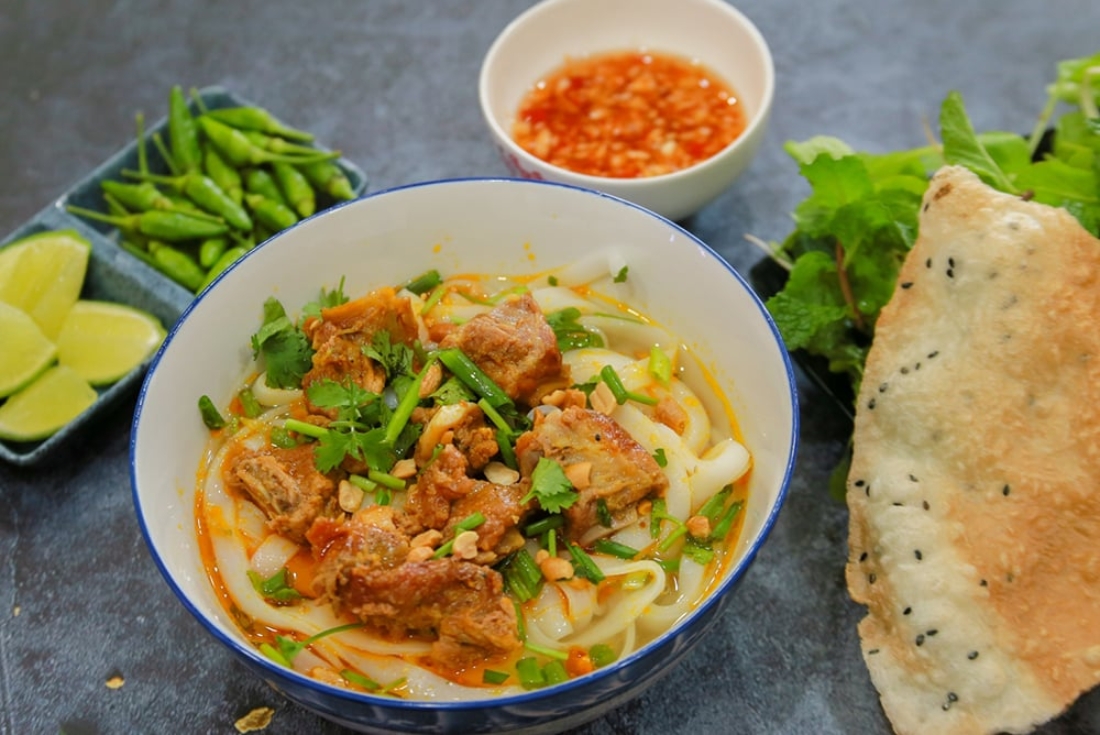
Mi Quang (Mì Quảng) is a traditional noodle dish from Quảng Nam province, recognisable by its wide, flat rice noodles seasoned with turmeric. The dish is typically prepared with a small amount of concentrated savoury broth and topped with proteins such as pork, shrimp, or quail eggs, alongside toasted peanuts and crispy rice crackers.
Some recommended restaurants:
- Mì Quảng Hát: 142 Nguyen Truong To Street, Minh An Ward.
- Mì Quảng Bà Minh (Ngọc Thành): 61, 18/8 Street, Hoi An.
- NGÓI VÀNG Restaurant: 132/1 Tran Phu Street, Minh An Ward, Hoi An.
4. Banh mi Hoi An
Banh Mi is a Vietnamese baguette known for its light, crispy crust and airy texture. In Hoi An, these sandwiches are filled with a structured variety of ingredients, including house-made pâté, butter, head cheese, pork char siu, and a signature chilli sauce that balances heat with sweetness. Some recommended restaurants:
- Mr Hân Bánh Mì Hội An: 01 Nguyen Hoang Street, Minh An Ward.
- Bánh Mì Bà Nga: 74 Le Loi Street, Minh An Ward.
5. Banh bao banh vac (White Rose dumplings)
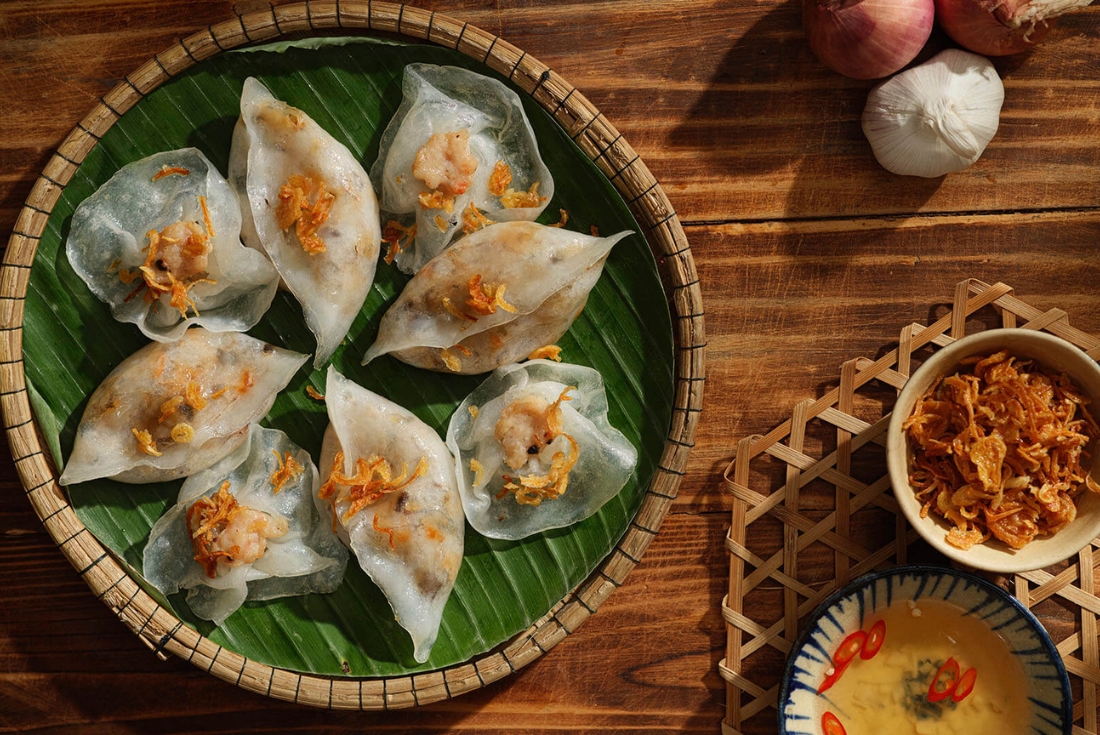
Banh Bao Banh Vac are two types of dumplings that share similar ingredients and are traditionally served together on one plate. These dumplings are made from a high-quality, fragrant rice flour that is filtered multiple times through water to achieve a smooth, translucent white appearance without the use of additives. The Banh Vac filling consists of ground shrimp mixed with pepper, garlic, onions, lemongrass, and a proprietary blend of spices. The Banh Bao (bun) filling typically features minced pork, wood ear mushrooms, and thinly sliced green onions. Once filled, the dough is shaped by hand, the Banh Vac into a crescent shape, and the Banh Bao into a form resembling a rose. The dumplings are steamed for approximately 15 minutes and served with a balanced dipping sauce of chilli, sugar, and lime. This dish is a protected specialty of Hoi An, with the original recipe maintained by a single local family for generations.
Recommended restaurant: White Rose restaurant – 533 Hai Ba Trung Street, Cam Pho Ward
6. Banh dap (Crushed rice crackers)
Banh Dap, also known as “crushed rice crackers,” is a traditional dish representing the rustic culinary habits of Central Vietnam. It consists of a warm, steamed rice pancake (banh uot) placed between two thin, crispy grilled rice crackers. To eat the dish, the layers are pressed or “crushed” together until they bond, creating a contrast between the soft interior and the crunchy exterior. The flavour of the dish relies heavily on its dipping sauce, a rich mam nem (fermented fish sauce) seasoned with chilli, crispy fried shallots, and crushed pineapple or sugar to balance the saltiness. Banh Dap is often served with additional sides, such as stir-fried baby mussels (hen xao) or boiled pork, to add texture and protein to the meal.
Some recommended restaurants:
- Bánh Đập Cô Nhẫn: 13 18/8 street, Cam Pho Ward.
- Bánh Đập Ni Bà Già: 34 Nguyen Tri Phuong Street, Cam Nam Ward.
7. Chao Ngheu (Clam congee)
Chao Ngheu (Clam congee) is a warm rice porridge cooked with fresh clams, often seasoned with ginger, pepper, and green onions. This dish is a common choice for breakfast or a light meal, particularly in the coastal areas near An Bang and Cua Dai beaches.
Some recommended restaurants:
- Cháo Nghêu Cô Gió: An Bang Beach.
- Cháo Cô Tám 8: An Bang, Cam An, Hoi An West.
- Cháo Nghêu Sáu Biểu: Hai Ba Trung Street, Hoi An West.
Hoi An Street Food & Snacks You Should Try
1. Che thap cam (Chè – Vietnamese mixed sweet dessert soup)
Che Thap Cam (Chè – Vietnamese mixed sweet dessert soup) is a traditional Vietnamese sweet soup that combines a variety of ingredients, such as kidney beans, mung beans, lotus seeds, and jelly. These components are layered together and topped with coconut milk and shaved ice, providing a cooling effect and a structured mix of textures and natural sweetness.
Some recommended restaurants:
- Chè Diệu Hiền: 13 Nguyen Hoang Street, An Hoi Ward.
- Tiệm Chè Xíu: 157 Tran Hung Dao Street, Cam Pho Ward, Hoi An.
- Chè Cô Bích: 47/28 Tran Hung Dao Street, Minh An Ward, Hoi An.
2. Nuoc Mot (Hoi An herbal drink)
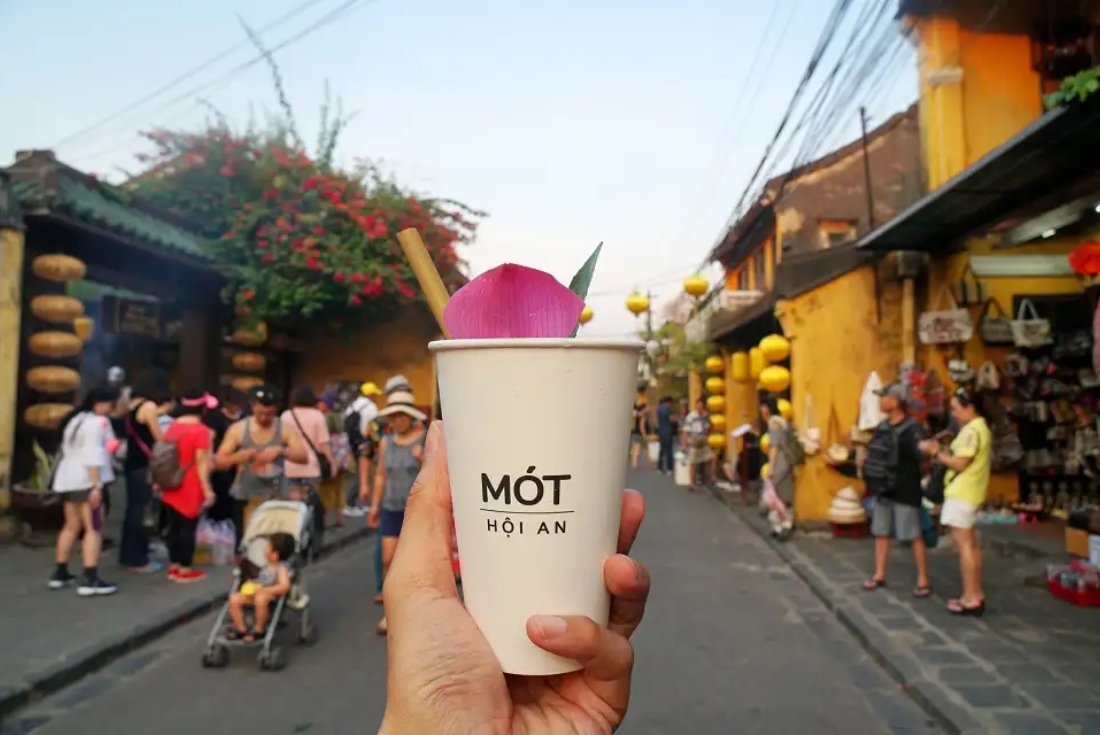
Nuoc Mot (Hoi An herbal drink) is a traditional herbal infusion known for its refreshing and digestive properties. The drink is brewed with a blend of lemongrass, ginger, cinnamon, and green tea, sweetened with honey or rock sugar. It is famously served with a decorative lotus petal and a green leaf, making it a recognisable staple for those walking through the historic district.
Recommended: Mót Hội An – 150 Tran Phu Street, Cam Chau Ward
3. Thit heo cuon banh trang (Pork with rice paper rolls)
Thit Heo Cuon Banh Trang (Pork with rice paper rolls) consists of thinly sliced boiled or grilled pork belly wrapped in rice paper with fresh herbs, green bananas, and cucumbers. The rolls are dipped into a savoury fermented fish sauce (mam nem) or a thick peanut sauce, depending on the specific stall’s recipe.
Some recommended restaurants:
- ĐẶC SẢN HỘI AN – 12 August 18, Cam Pho Ward.
- Bà Hiếu – 25 Dao Duy Tu Street, Minh An Ward, Hoi An.
Best Restaurants in Hoi An for a Memorable Food Journey
1. COI NGUON restaurant – Wafaifo Resort Hoi An
- Address: 328 Ly Thuong Kiet, Hoi An Tay Ward, Da Nang City
- Best dishes to try: Roasted free-range chicken with “mac khen” sauce, clay pot rice, braised goby fish, pork stewed in shrimp paste, sour fish soup
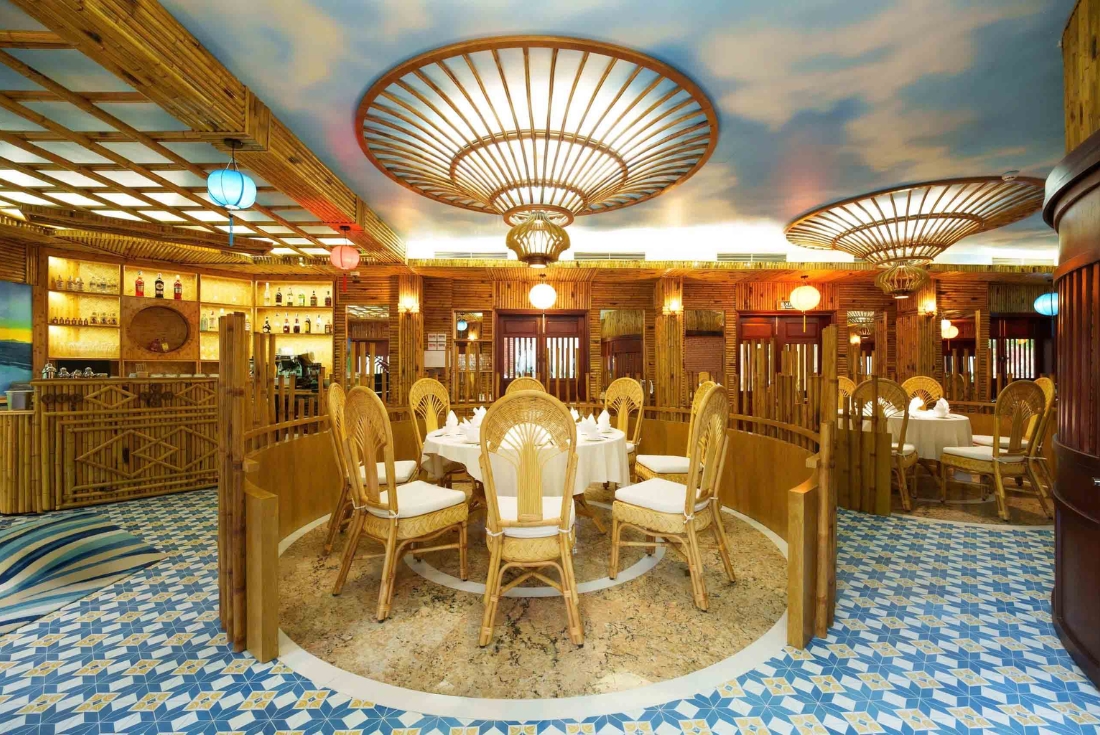
COI NGUON is a contemporary Vietnamese restaurant at Wafaifo Resort Hoi An, offering an elegant, Vietnamese-inspired dining experience with a modern twist. It combines experimental cuisine with deep respect for heritage, in an interior inspired by Hoi An’s rich history of ambition and opulence. The menu highlights the culinary heritage of Central Vietnam with a focus on precision and freshness. Guests can choose from a variety of signature items, including the resort’s version of Cao Lau and fresh seafood dishes that utilise traditional seasoning. The vibe is sophisticated yet welcoming, featuring a design that incorporates natural materials and local architectural elements, suitable for both focused dining and social gatherings.
2. Secret Garden Restaurant
- Address: 132/2 Tran Phu Street, Minh An Ward
- Best dishes to try: Beef bourguignon, coconut coffee
Secret Garden Restaurant is located in a quiet area of the Old Town, situated within the grounds of an old Vietnamese family home. The restaurant emphasises a “farm-to-table” approach, using organic vegetables and herbs to create traditional family-style recipes. The vibe is characterised by its tranquil, garden setting, featuring lush greenery, wooden architecture, and ambient lighting that provides a calm retreat from the busier streets of the historic district.
3. MUA restaurant
- Address: Tra Que Vegetable Garden, Cau An Bang, Cam Ha, Hoi An Tay
- Best dishes to try: Seasonal tasting menu / chef’s menu
MUA Restaurant, meaning “Seasons” in Vietnamese, is situated in the heart of Tra Que Vegetable Village. Founded by Chef Tru Lang, the restaurant focuses on a modern interpretation of Vietnamese cuisine through seasonal tasting menus. It was recently featured in the The New York Times “36 Hours in Hoi An” itinerary, which highlighted its contemporary approach to regional dining. The article noted MUA as a key destination for travellers seeking to experience local ingredients reinterpreted through modern techniques.
Elevate Your Hoi An Food Journey with a Stay at Wafaifo Resort Hoi An
Hoi An offers a structured culinary landscape where historical trade influences meet local agricultural traditions. Exploring these iconic dishes, from the specific textures of Cao Lau to the seasonal innovation at MUA Restaurant, allows travellers to engage deeply with the heritage of Central Vietnam. Wafaifo Resort Hoi An serves as a convenient and comprehensive base for these gastronomic explorations, offering guests a blend of modern comfort and cultural storytelling.
- Central location, near the Hoi An Ancient Town: Located on Ly Thuong Kiet Street, just 1.3 km from the Hoi An Ancient Town
- Modern space with a heritage feel: A highlight is the Heritage & Culture Pathway – an outdoor walkway designed as a storytelling journey
- Multi-style restaurant system: XUA & NAY, COI NGUON restaurant, Vuong Gia private dining room and NEM private dining room.
- Comprehensive amenities: 25x6m temperature-controlled salt water swimming pool, gym, and Kids Club.
- Wellness-focused experiences with a dedicated health centre: the resort features Verita Health Hoi An, a preventive health centre located on-site. As one of the first wellness centres of its kind in Central Vietnam
Book a room at Wafaifo Resort Hoi An today to explore the rich restaurant system and experience Hoi An cuisine to the fullest.